First Impressions Matter: 5 Seconds That Decide Everything
You have only five seconds. That is how long visitors wait before deciding to stay or leave.
Google data confirms it. 53% of mobile users abandon a site if it takes more than three seconds to load. For desktop users, the window is just as short.
So what makes people leave? Outdated layouts. Tiny fonts. Cluttered pages. Inconsistent branding. These small issues add up. They make your business look neglected and untrustworthy.
Busy designs overwhelm the eye. Empty space, on the other hand, guides attention. It helps visitors find what they need quickly.
Customers compare you with competitors instantly. If their site looks modern and yours does not, you lose trust. You lose leads. You lose sales.
That is why smart website design in Saskatoon matters. A clean, consistent, and current site signals reliability. It tells people you care about quality.
Strong web development in Saskatoon ensures your site works fast on every device. No delays. No frustration. Just a smooth experience that keeps visitors engaged.
When your website looks professional, people stay longer. They explore more. And they are far more likely to become loyal customers.
Slow Loading Speed = Lost Local Customers
Speed is not optional. If your site takes too long, visitors leave.
Google reports that 53% of mobile users abandon a page if it loads longer than three seconds. In Saskatoon, that means losing customers who are searching on the go. They click away to faster competitors without a second thought.
Slow speed also hurts your Google rankings. Lower visibility means fewer people find you.
Google PageSpeed Insights and GTmetrix are free tools. They measure your site’s performance and show exactly what needs fixing.
Every second counts. A fast, stable site keeps visitors engaged. It helps you show up in search results. Most importantly, it turns clicks into loyal local customers.
Do not let slow speed cost you business. A faster website protects your reputation and your bottom line.
Not Mobile-Friendly? You’re Losing the Majority
Most Saskatoon customers shop on their phones. If your site is not mobile-friendly, they leave.
Google reports that 61% of users are unlikely to return to a mobile site they had trouble accessing. Even worse, 40% will visit a competitor instead.
Common problems? Tiny text. Broken layouts. Buttons too small to tap. These frustrations drive people away and kill sales.
Mobile-first design fixes this. It prioritizes small screens. Text becomes readable. Menus become easy to use. Buttons become finger-friendly.
A mobile-friendly site also loads faster. It removes unnecessary elements that slow things down.
Optimizing for mobile keeps visitors engaged. It turns casual phone searches into loyal local customers. In 2026, that is how you grow your business.
Confusing Navigation Drives People Away
Weak Local SEO = Invisible to Customers
A beautiful site means nothing if no one finds it.
Google reports that 46% of all searches have local intent. In Saskatoon, people are actively looking for businesses like yours. Without local SEO, they will never see you.
Location keywords matter. Use words like “Saskatoon,” “Stonebridge,” or “Sutherland.” These tell Google where you are. Skip them, and you lose nearby customers.
Your Google Business Profile is critical. A missing or incomplete profile hides you from maps and search results. Competitors who optimize theirs show up first. They get the calls. They win the leads. You stay invisible.
That is why smart website design in Saskatoon starts with local SEO built in. It puts your business on the map—literally. With the right setup, you appear in searches, maps, and rich snippets. Local customers find you instead of your competitors.
Lack of Trust Signals Hurts Credibility
Trust is everything online. If your site looks unreliable, visitors leave.
Google research shows that 84% of consumers trust online reviews as much as personal recommendations. Without them, you lose credibility before you even get a chance.
Missing testimonials? No real photos? No clear contact info? These red flags drive customers away.
HTTPS security is non-negotiable. Google marks sites without it as “not secure.” Visitors will not enter their information. They will not buy.
Service-based businesses face an even bigger challenge. Customers cannot see or touch what you offer beforehand. They rely on trust signals to choose you.
Real client reviews. Photos of your team and work. A visible phone number and address. An SSL certificate. These small details build instant confidence.
They prove you are real. You are local. You are capable. Strong trust signals turn hesitant visitors into loyal customers who choose your business over competitors.
Poor Content Structure = Low Engagement
Walls of text scare visitors away. They take one look and leave.
Research shows that people read only 20% of the words on a web page. If your content is hard to scan, you lose them fast.
Break things into short chunks. Use headings to guide readers. Highlight key points so important information stands out.
Do not just list features. Show benefits. Explain why your services matter to them.
Talk about local Saskatoon challenges. Winter heating issues. Summer patio season. Spring flooding concerns. When you speak their language, people pay attention.
Well-structured content keeps visitors engaged. It builds trust. And it increases the chance they explore your site and choose your business.
No Clear Conversion Strategy
A beautiful site that does not convert is just a brochure. It looks nice but brings no business.
Google data shows that the average website conversion rate is only 2.35%. That means nearly 98 out of 100 visitors leave without taking action.
Without lead forms, strong CTAs, or online booking, you miss opportunities. Visitors come, look around, and go.
Short forms on key pages make it easy to connect. Action-driven buttons like “Call Now” or “Book Today” guide people. Online booking works 24/7—even when you sleep.
Tracking tools like Google Analytics show what works and what does not. Every design choice matters. Colors. Layout. Images. Text. Each should guide visitors toward taking action.
Remove distractions. Optimize user paths. Turn traffic into leads, appointments, and sales instead of wasted visits.
Real Example: Prairie Home Services
Prairie Home Services is an HVAC company in Saskatoon. Their old website was hurting their business.
Pages took five seconds to load. Buttons were tiny. Navigation was confusing. Contact info was hard to find. Customers got frustrated and called competitors instead.
Then they made a change.
After a redesign, everything improved. The site now loads in under two seconds. It is mobile-friendly with readable text and large buttons. Fresh local photos and visible reviews build trust. Simple navigation, click-to-call buttons, and easy booking forms make connecting effortless.
Google Business integration and tracking tools boost visibility and insights.
Within months, leads doubled. Revenue grew. Their website became a 24/7 machine that brings in customers—even while they sleep.
The Cost of Doing Nothing
Conclusion
Your website should work like your best employee. It brings in leads and sales. Nonstop.
But common problems hold it back. Slow speed. Messy design. Confusing navigation. Missing trust signals. Poor local SEO. Weak conversion paths. These issues cost Saskatoon businesses money every single day.
A professional website design in Saskatoon fixes these leaks. It boosts Google rankings. It builds credibility. Most importantly, it turns visitors into paying customers.
Every day you wait, you lose. Lost inquiries. Higher ad spend. Competitors gaining market share.
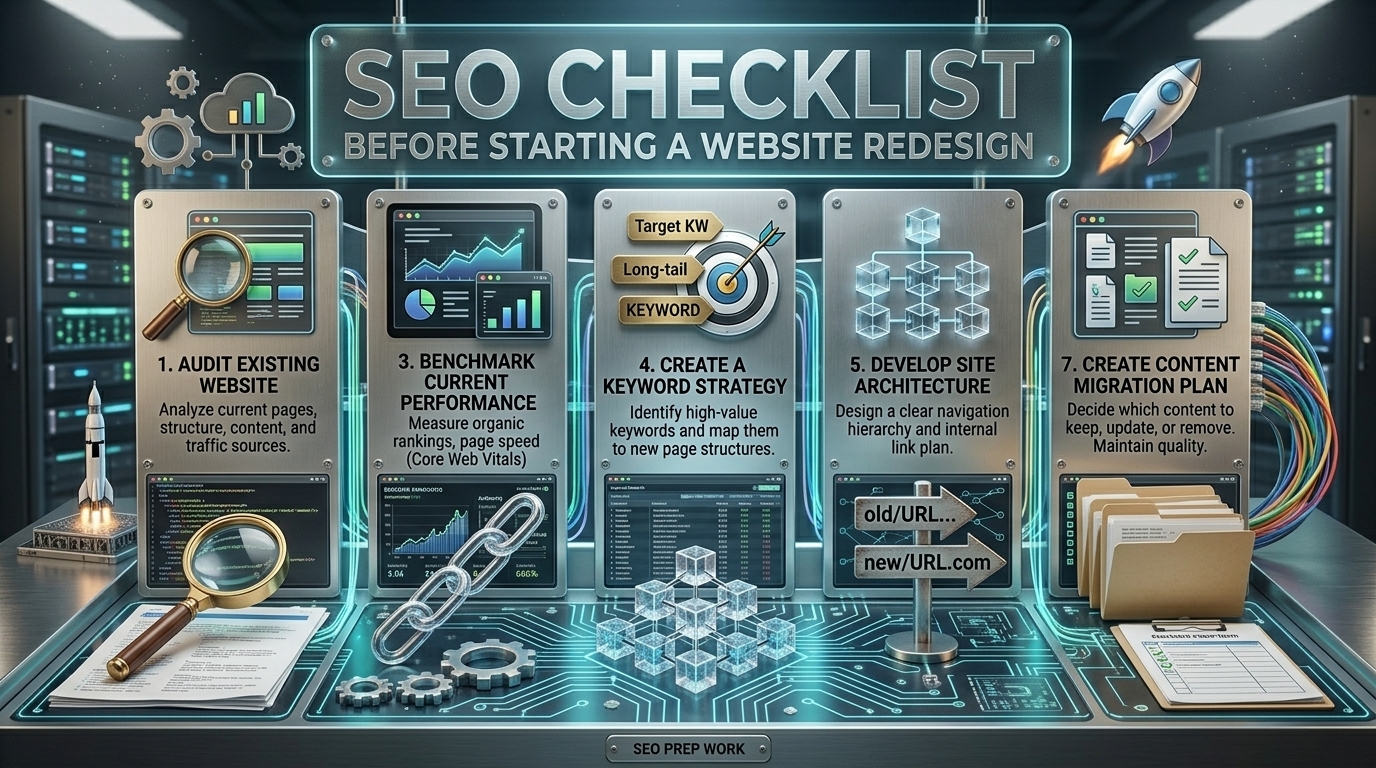
Start with a website audit. Find the issues. Then take action.
Invest in your site now. A well-designed website pays for itself. And it keeps earning for your business long after the work is done.
Frequently Asked Questions
1. Why is website design in Saskatoon important for my business?
Your website is your digital storefront. It is often the first thing customers see. If it looks old or works poorly, they leave. A strong website design in Saskatoon builds trust, keeps people engaged, and turns visitors into paying customers.
2. How fast should my website load?
Google says 53% of mobile users leave if a site takes more than three seconds. That is more than half your potential customers. Aim for under two seconds. Speed keeps visitors happy and helps you rank higher in search results.
3. What makes a website mobile-friendly?
A mobile-friendly site works well on any phone or tablet. Text is easy to read without zooming. Buttons are large enough to tap. Menus are simple. Pages load fast. No pinching. No frustration. Just a smooth experience.
4. How does local SEO help my business?
Local SEO helps Saskatoon customers find you. It uses location words like “Saskatoon” and “Stonebridge.” A complete Google Business Profile puts you on the map. When people search nearby, your business shows up first.
5. What are trust signals on a website?
Trust signals prove you are real and reliable. Real customer reviews. Photos of your team and work. Clear phone numbers and address. HTTPS security. These small details build confidence before a visitor even calls.
6. How do I know if my website is losing customers?
Look for warning signs. High bounce rates. Slow load times. Few form submissions. Free tools like Google Analytics and PageSpeed Insights show exactly where visitors drop off. Fix those spots, and you keep more customers.
7. What is a conversion strategy?
A conversion strategy guides visitors to act. Clear buttons like “Call Now” or “Book Today.” Short, simple forms. Online booking that works 24/7. A clean path from landing on your site to becoming a customer.
8. How much does a professional website redesign cost?
Costs depend on your needs. A basic small business site starts around a few thousand dollars. But think of it as an investment. A well-designed site pays for itself quickly with more leads and sales.
9. How long does a website redesign take?
Most redesigns take four to eight weeks. That covers planning, design, writing, development, and testing. The goal is a site that works smoothly on every device from day one.
10. What is the first step to improving my website?
Start with a website audit. It finds hidden problems. Slow speed. Broken links. Confusing menus. Missing trust signals. Once you know the issues, you can fix them with a clear plan that works for your business.